
The Claim
In April nineteen-seventy-six, a professional hockey team tried to win a playoff series by standing under a plastic pyramid. Coach Red Kelly of the Toronto Maple Leafs hung one in the dressing room and gave every player exactly four minutes underneath it. Then Toronto started winning.
So did the pyramid do it? They were not alone, either. Grown adults were sharpening razors in pyramids, ageing wine in pyramids, and filing patents on pyramids.
And the whole movement rests on a founding story that its own founder never told. This is FactCat. Meet pyramid power.
The Origin Story
The story everyone tells starts inside the Great Pyramid of Egypt, and it is not true. As it is told, a French ironmonger stood in the King's Chamber, looked into a bin, and found the bodies of small animals that had wandered in and died there. They had not rotted.
They had dried out, like tiny mummies. From that, he worked out that the shape itself was doing the preserving. The ironmonger was Bovis, a dowser from the French city of Nice, who lived from eighteen-seventy-one to nineteen-forty-seven.
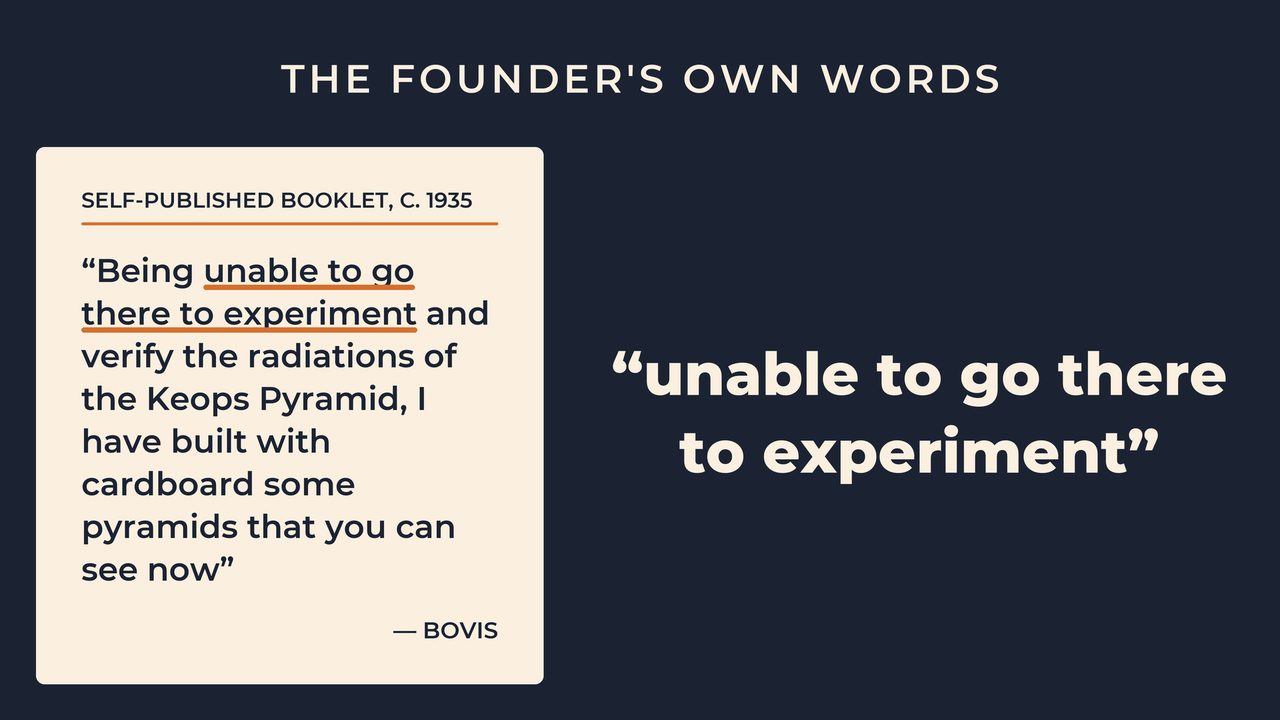
He never claimed to have gone to Egypt. In his own self-published booklet, from around nineteen-thirty-five, he writes that he was unable to travel there to experiment, so he made small cardboard pyramids at home and swung a dowsing pendulum over them instead. That is the foundation of everything that follows.
A pendulum, some cardboard, and a trip that never happened. Bovis is otherwise remembered for the Bovis scale, a dowsing measurement whose neutral value is six-thousand-five-hundred. Which tells you what kind of instrument we are dealing with.

The Patent
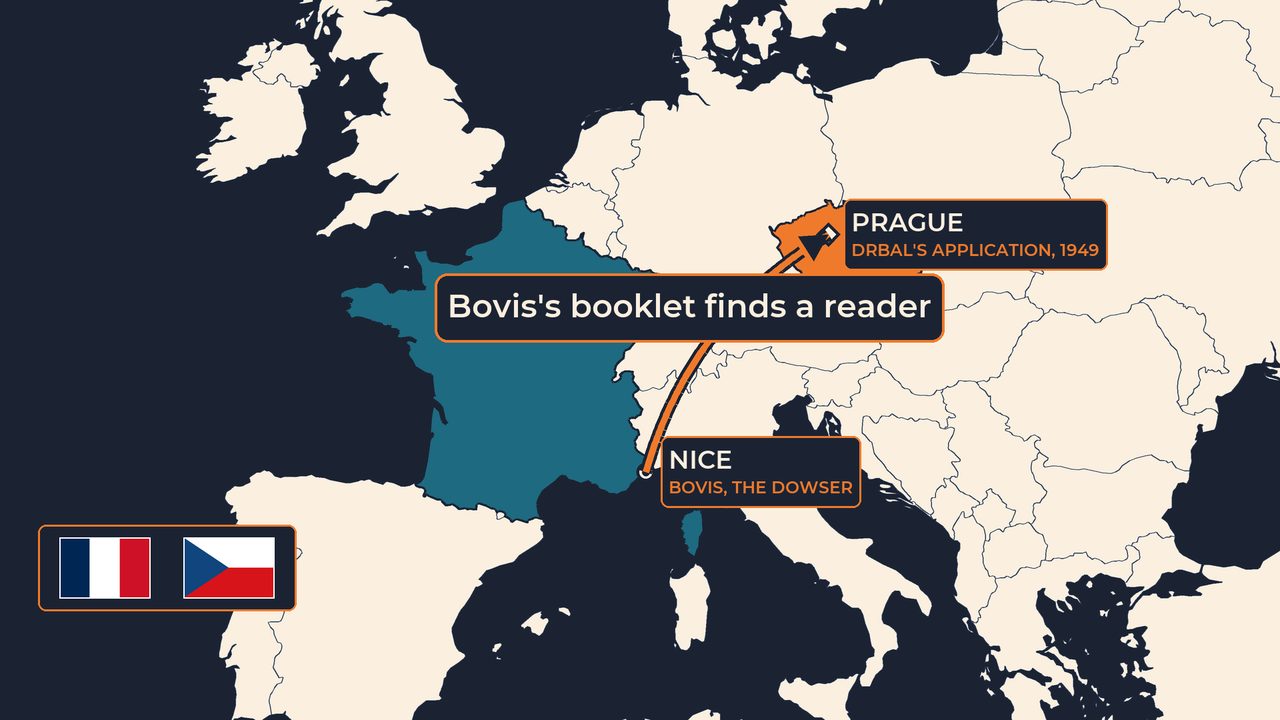
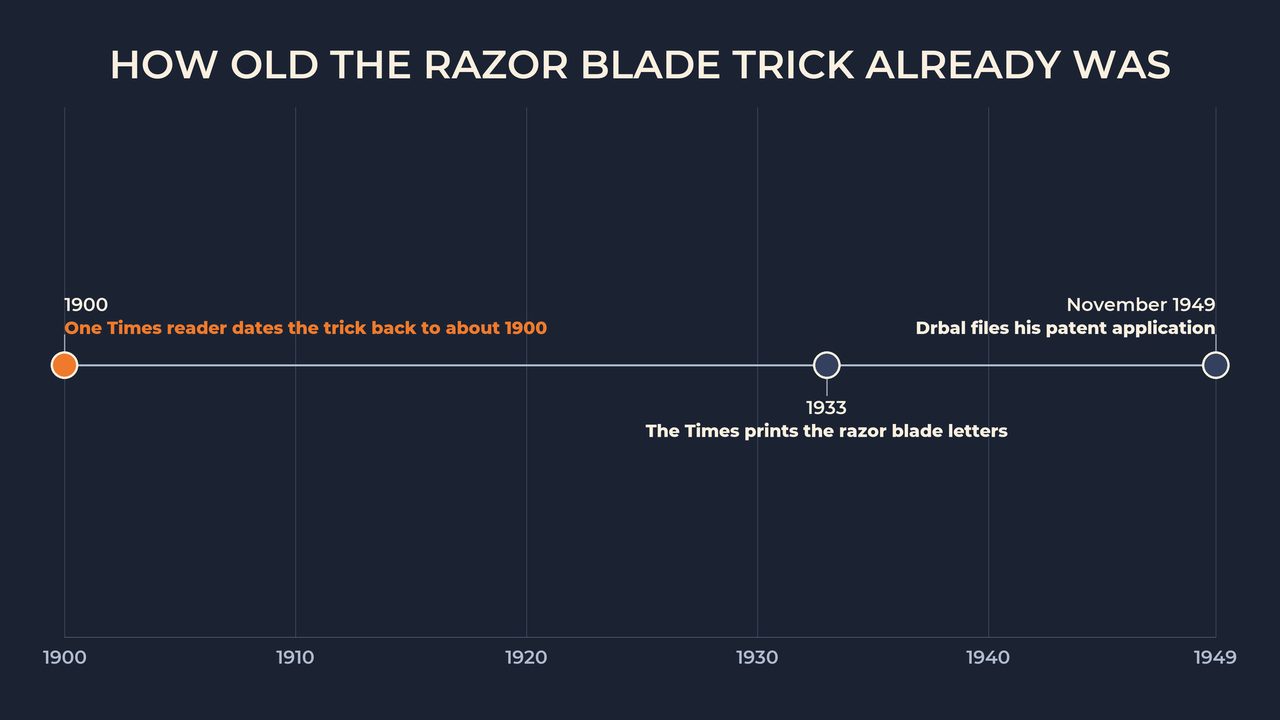
Bovis had a reader, and that reader got a patent out of it. In November nineteen-forty-nine, a Czechoslovakian man named Karel Drbal filed an application in Prague for what he called a Pharaoh's shaving device. It was a cardboard pyramid.
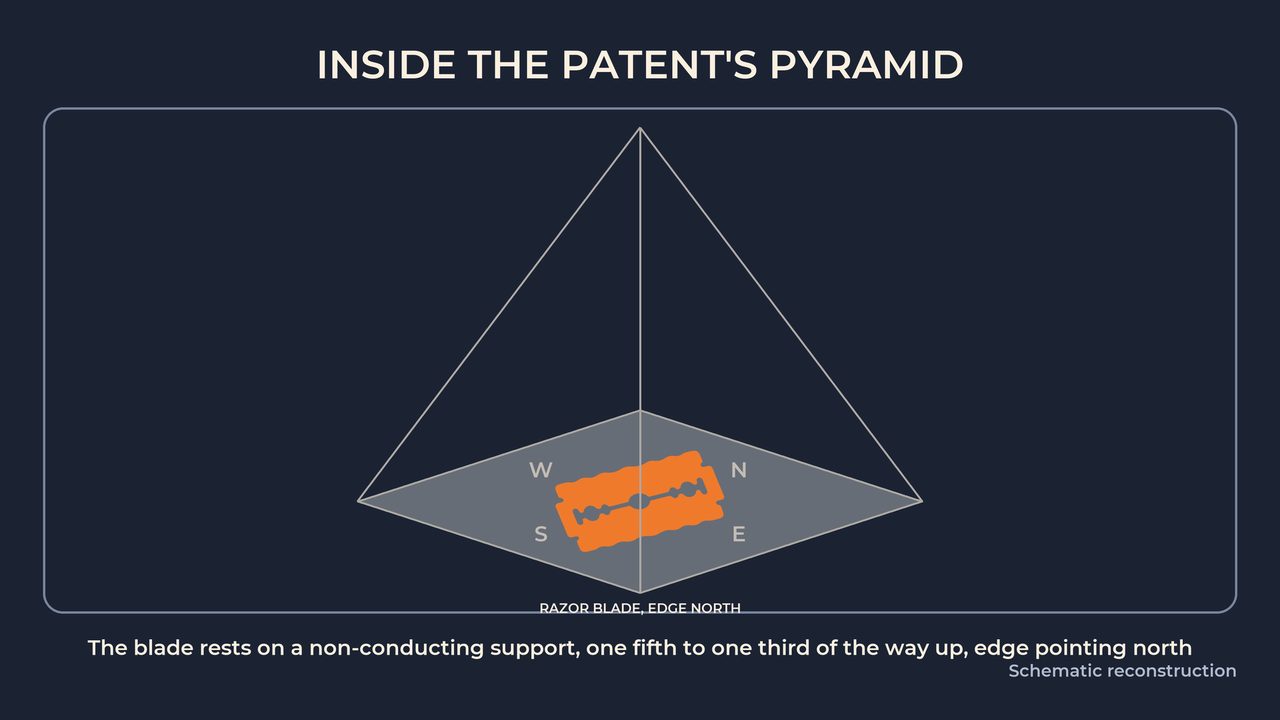
You put your razor blade inside, edge pointing north, and the blade supposedly stayed sharp. The application specifies the geometry: each side of the base equals the height multiplied by pi over two, so a ten centimetre pyramid gets a side of fifteen point seven centimetres, with the blade resting on a non-conducting support somewhere between one fifth and one third of the way up. Drbal said this focused the Earth's magnetic field.
He never explained how the shape, or the cardboard, was supposed to do that. He did show his working, though. Sixteen blades of a Czechoslovak brand called Dukat Zlato, he wrote, delivered one-thousand-seven-hundred-and-seventy-eight shaves between them.
That is an average of a hundred and eleven shaves a blade, against about five without the pyramid, and a drop from seventy-three razor blades a year per man to eight. The approval took years. The patent became valid in nineteen-fifty-two and was published in August nineteen-fifty-nine, as number ninety-one-thousand-three-hundred-and-four.
Two things about that. When the television show MythBusters ran a controlled test in two-thousand-five, blades under a pyramid went dull exactly like the blades outside it. And the idea was never Drbal's to begin with.
In nineteen-thirty-three, sixteen years before he filed, The Times of London printed letters from readers insisting that razor blades stored pointing north and south lasted longer, and one of those readers dated the trick back to about nineteen-hundred.
Crossing Over
In nineteen-sixty-eight, two writers on the paranormal went looking for Iron Curtain parapsychology and came home with a cardboard pyramid. Sheila Ostrander and Lynn Schroeder found Drbal's device on sale in Czechoslovakia, by then a commercially manufactured product. They met him, and they gave the pyramid a chapter of its own in their nineteen-seventy book, Psychic Discoveries Behind the Iron Curtain.
That chapter is how the English-speaking world met pyramid power, and how it met the Egyptian story that Bovis never lived. After that it moved fast. By October nineteen-seventy-three, Time magazine was running a Modern Living feature titled Pyramid Power.
For three dollars fifty you could buy a cardboard Pyramid Razor Blade Sharpener from the Toth Pyramid Company of New York, sold on the promise that it paid for itself, because the blades never dulled. For twenty-five dollars you could buy an opaque vinyl tent shaped like the Great Pyramid, marketed as an environment for meditation, biofeedback and yoga. A doctor in Houston told the magazine that microbes under a pyramid survived sixty-four hours longer.
That same year, two controlled tests appeared in the journal New Horizons, and the neurologist Terence Hines cites them both. Pyramid-shaped containers did nothing that a container of any other shape did not also do.
The Naming Fight
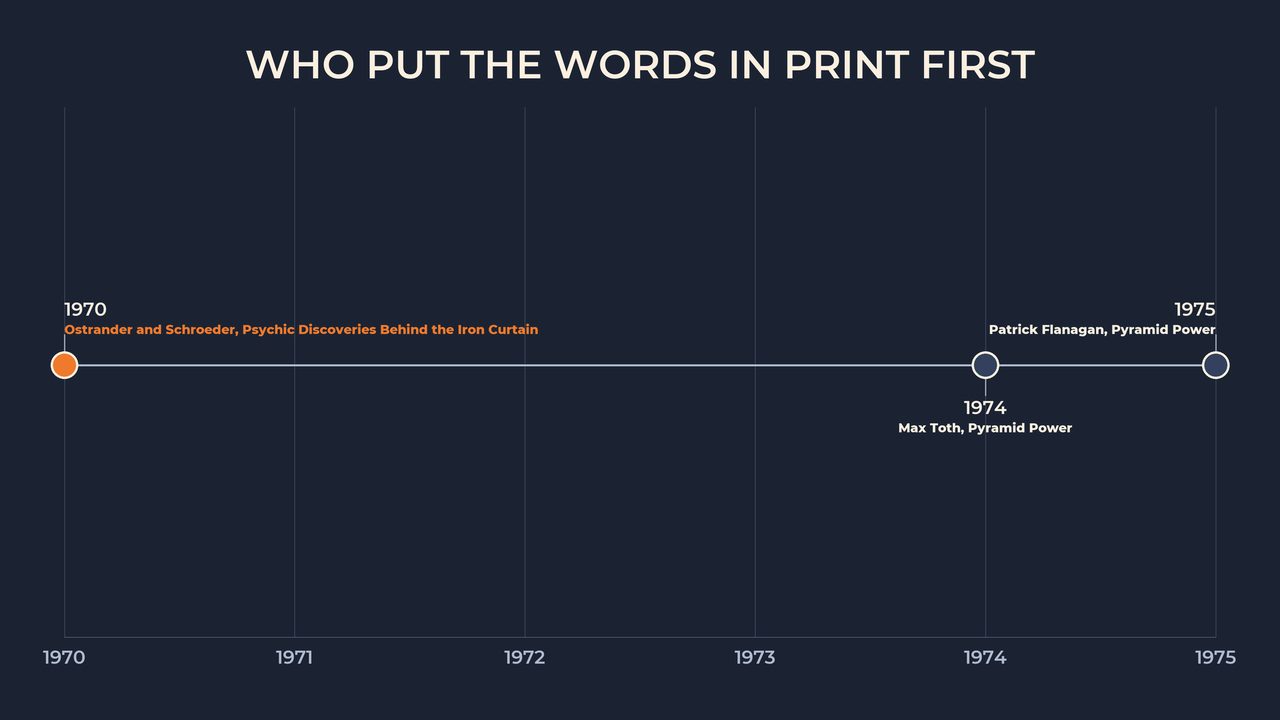
Two men spent the nineteen-seventies arguing over who invented a phrase that may belong to neither of them. In nineteen-seventy-four the author Max Toth published a book called Pyramid Power. In nineteen-seventy-five the inventor Patrick Flanagan published a book called… Pyramid Power.
Toth says Flanagan then sued him over the phrase itself. Here is the trouble with both claims. The words pyramid power were already in print in nineteen-seventy, in Ostrander and Schroeder's book, before either man published anything.
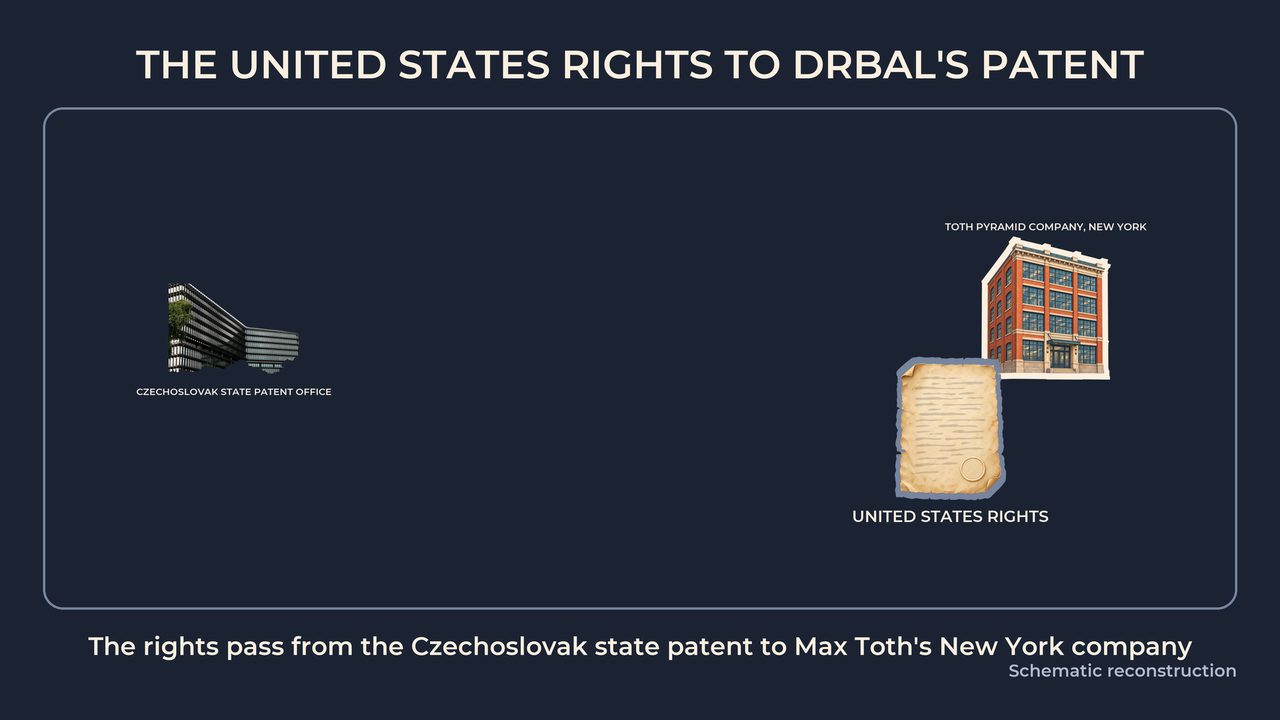
And those two credited the phrase to Czechoslovakian researchers in the nineteen-sixties, without naming a single one of them. So this is most likely an argument between two men who both got it from somewhere else. Toth had also bought the United States rights to Drbal's patent, which means the cardboard pyramid on an American shelf traced back to a Czechoslovak state patent.

The Buildings
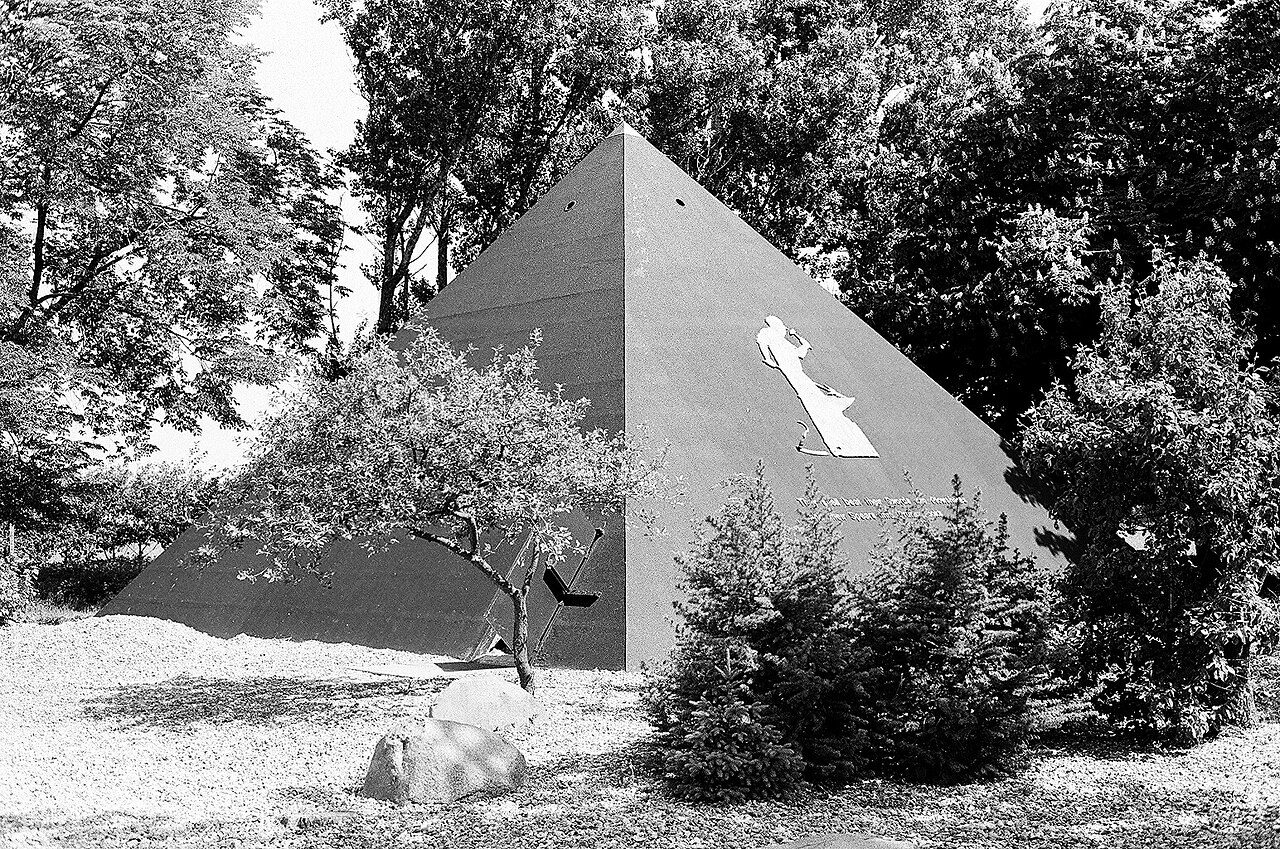
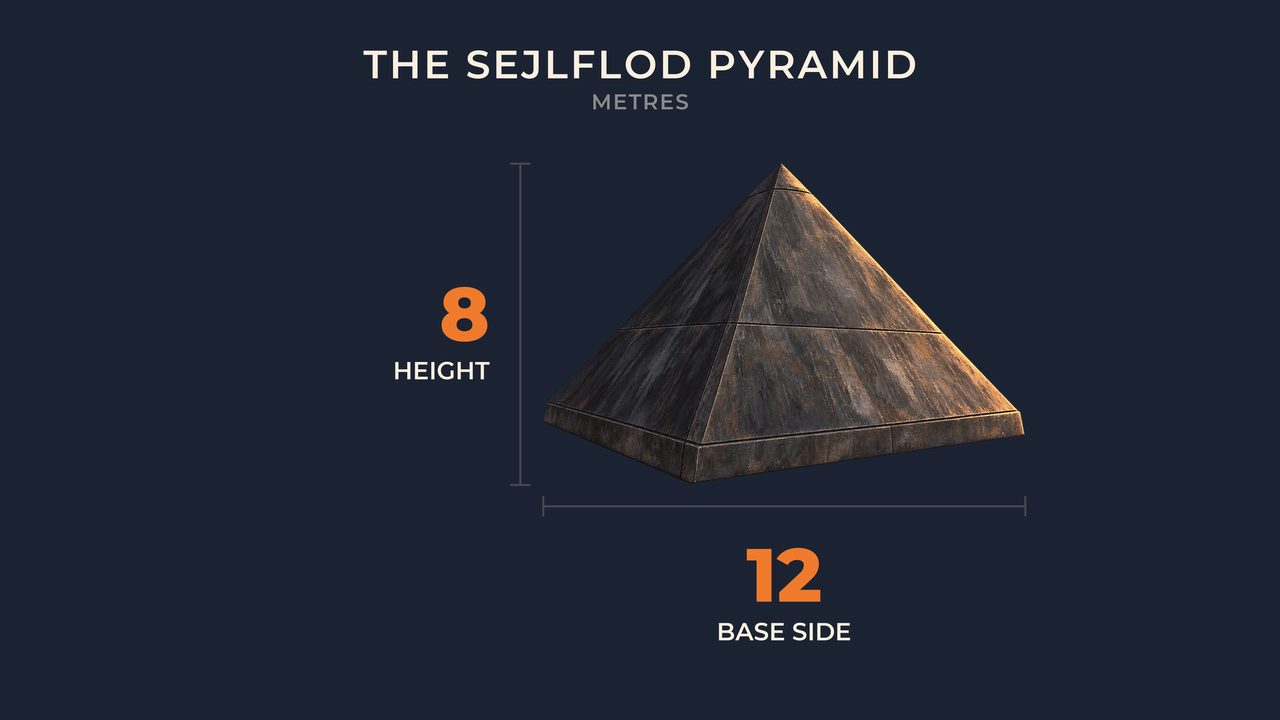
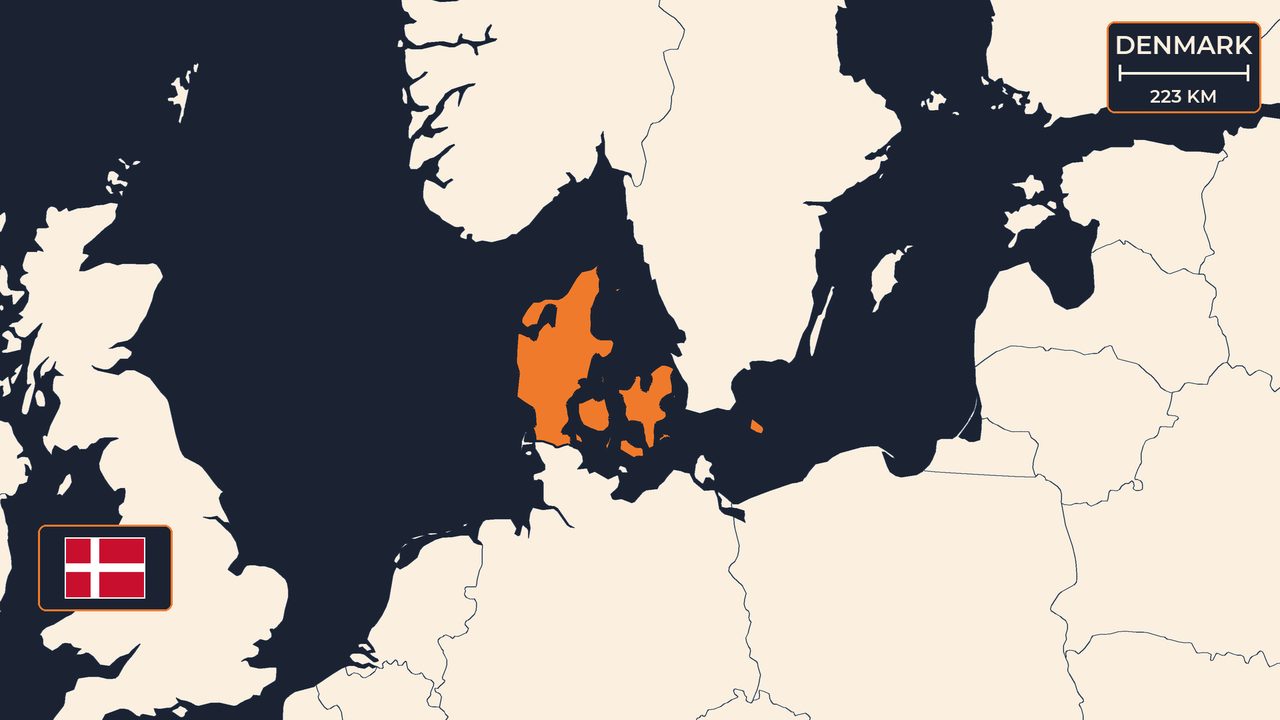
By nineteen-eighty, the razor blades were beside the point. People were out here building pyramids big enough to stand inside. In the Danish village of Sejlflod, in northern Jutland, a man named Borg Jensen read Flanagan's book and put one up: black steel and concrete, eight metres high on a base twelve metres by twelve, described at the time as the first of its kind in Europe.
His claims for it were not modest. Time spent inside, he said, could heal disease, drastically lengthen a life, and make wine taste significantly better. That last one turned into a business.
Summerhill Pyramid Winery, in Kelowna, British Columbia, built a four-storey replica of the Great Pyramid, roughly three thousand square feet of it, which the winery describes as an eight percent scale model. Wine goes inside for thirty to ninety days. The winery calls this a twenty year experiment, and says its daily blind tasters pick the pyramid-aged bottle almost unanimously.
And in Salt Lake City, a religion called Summum, founded in nineteen-seventy-five, finished its own pyramid in nineteen-seventy-nine. The shape had become architecture.
The Series
April nineteen-seventy-six: Toronto had finished the regular season with eighty-three points, the seventh seed. The Philadelphia Flyers had a hundred and eighteen points and the second seed, a thirty-five point gap. Philadelphia had taken seven of the eight points available against Toronto that season, and the year before, they had swept the Leafs out of the playoffs in four straight games.
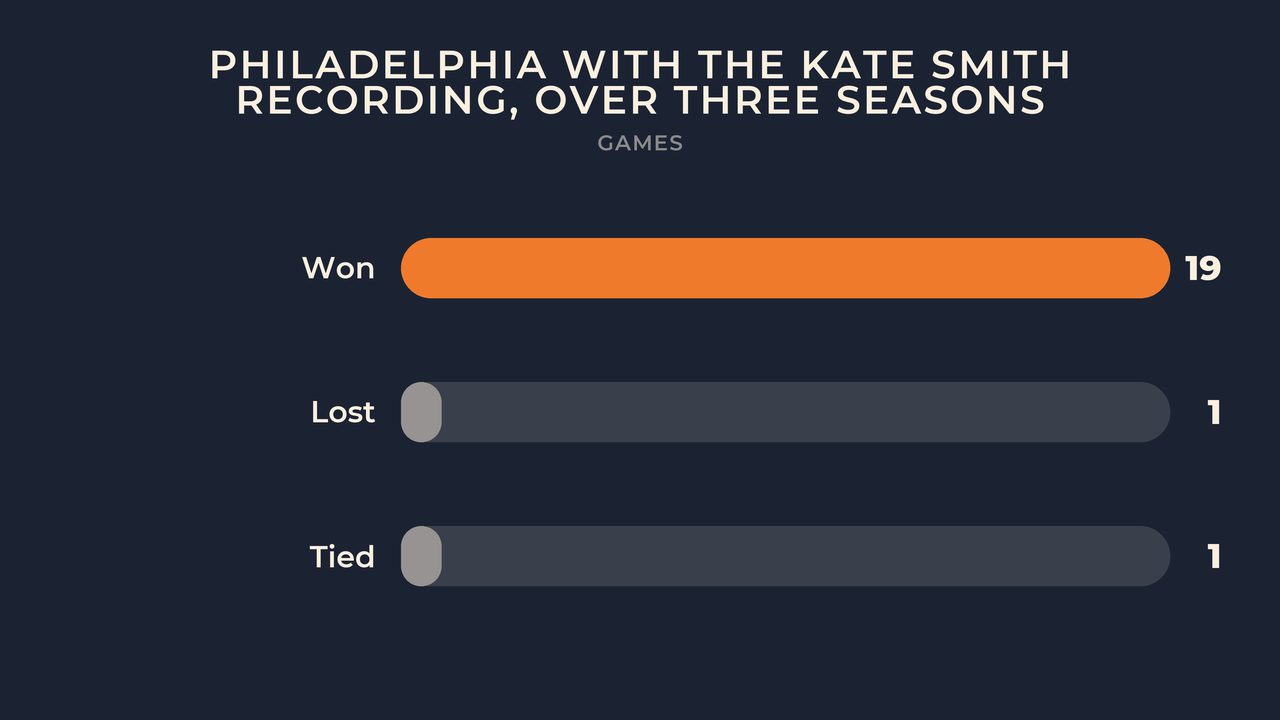
The Flyers also had a charm of their own, and theirs had a track record. Instead of the national anthem, they played a recording of the singer Kate Smith performing God Bless America. They first did it in December nineteen-sixty-nine and beat Toronto that night.
Over the next three seasons, whenever that record went on, Philadelphia won nineteen games, lost one and tied one. Toronto lost the first two games of the quarter-final in Philadelphia, four to one and three to one. Two games down, no wins, against a team a song apparently made unbeatable.
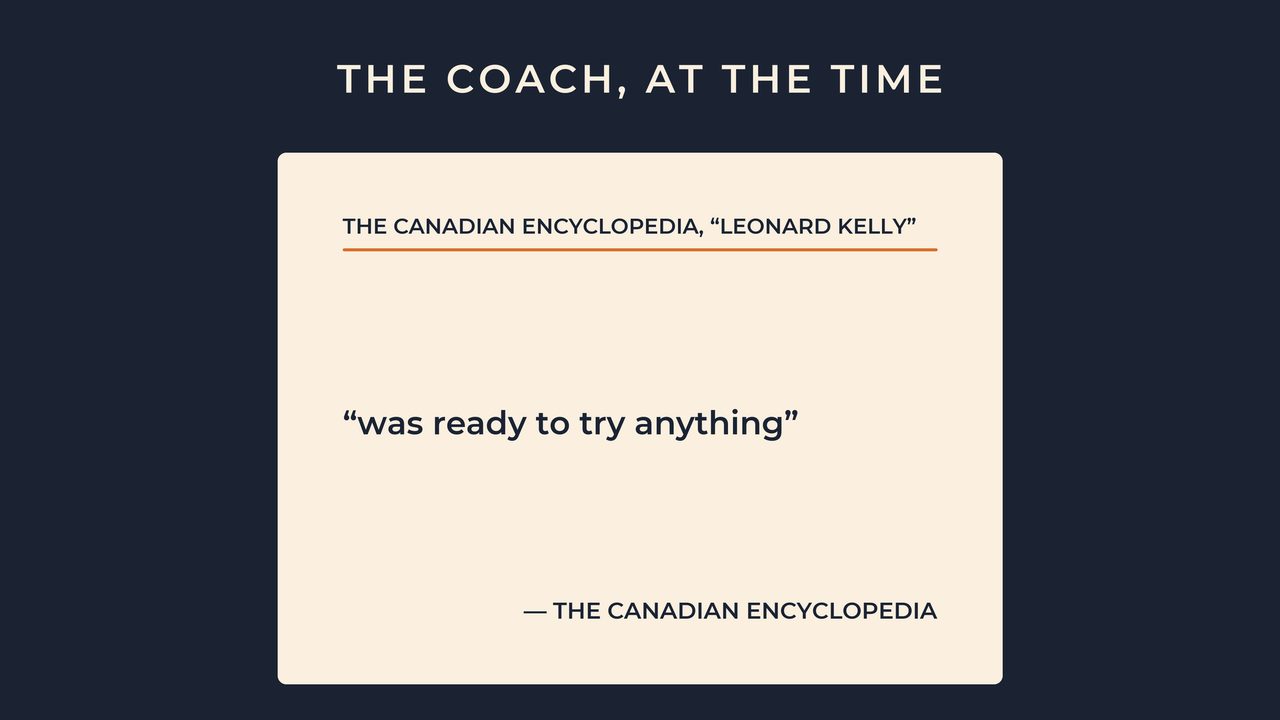
So Red Kelly reached for a pyramid, and the reason he reached for it is the part that usually gets cut. His wife had been reading about pyramids, and had used small ones to help their daughter through a run of headaches. Kelly said, at the time, that he was ready to try anything.
He placed five plastic pyramids under the bench where the players sat. He hung a large one in the middle of the dressing room, and every player took a turn standing beneath it, four minutes each. That was the answer to Kate Smith.
And then Toronto won. Toronto took game three at Maple Leaf Gardens, five to four. Game four, four to three.
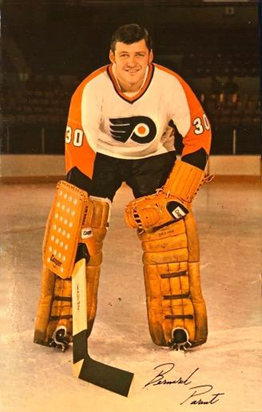
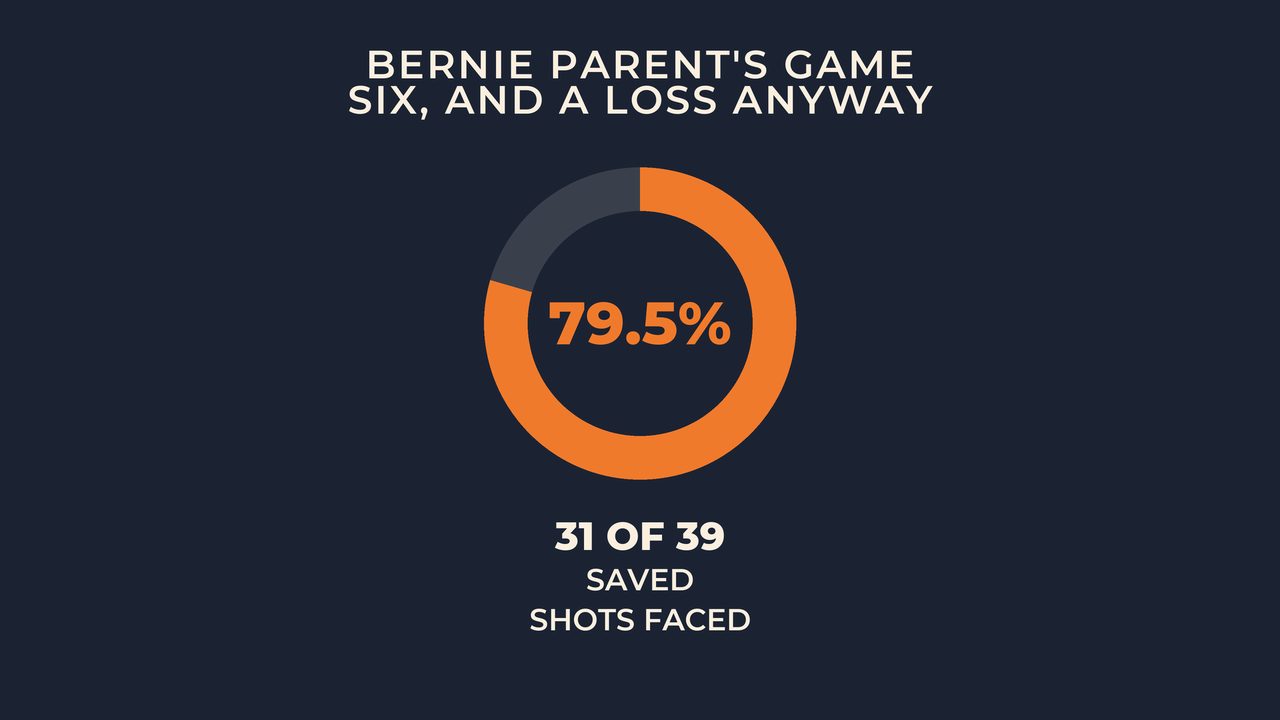
Back at the Spectrum in Philadelphia they were beaten seven to one, and then before game six captain Darryl Sittler stored his sticks under the pyramid, went out in front of his home crowd, and scored five goals on the Flyers goaltender Bernie Parent. That tied the record for goals in a single playoff game, set by the Montreal forward Maurice Richard in nineteen-forty-four. Parent stopped thirty-one of thirty-nine shots and still lost.
Toronto had now won all three of its home games. Game seven was back in Philadelphia. Kate Smith, God Bless America, no pyramid.
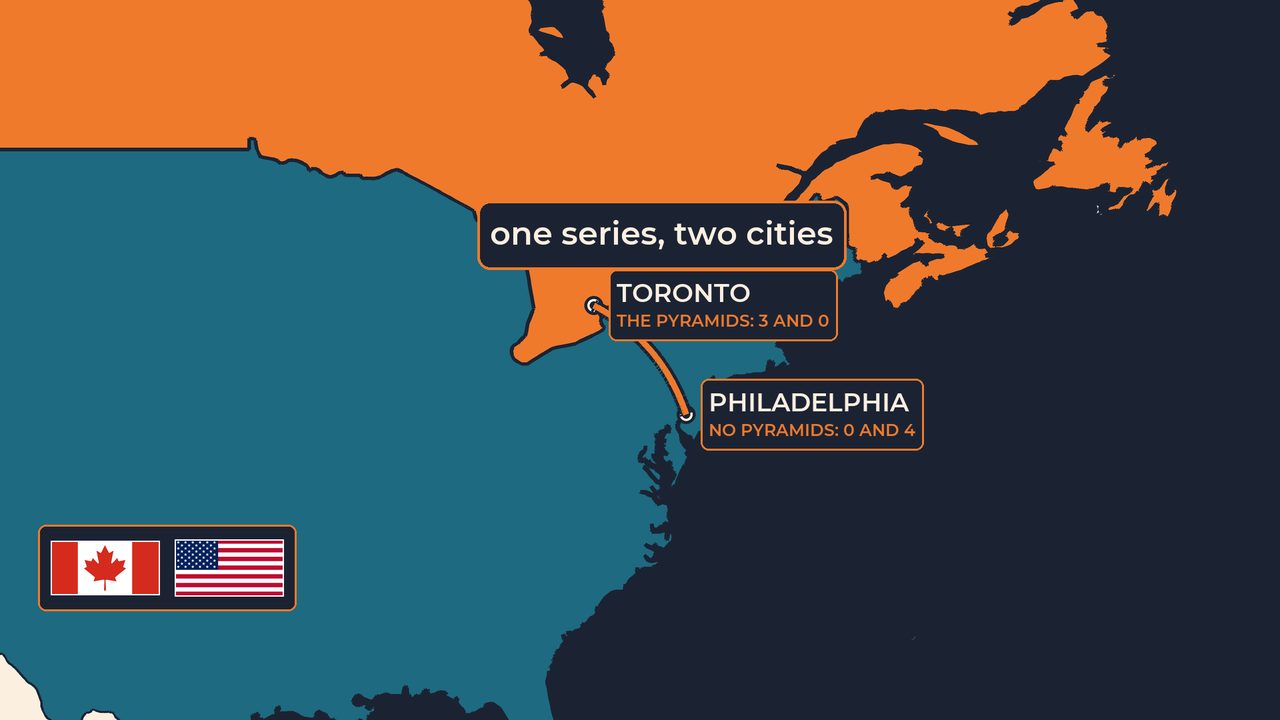
The Flyers won seven to three, and the series with it. Now say the confound out loud, because it is the whole story. The pyramids were ONLY ever in Toronto.
Toronto won every game it played in Toronto and lost every game it played in Philadelphia. Three and nothing at home, nothing and four on the road. The pyramid's record is the home ice record.
They are the same number. And Sittler? Two months before any pyramid entered that dressing room, on the seventh of February nineteen-seventy-six, he had put up six goals and four assists in a single game, ten points, in an eleven to four win over Boston.
That is still a National Hockey League record. Then, two weeks after Sittler's five-goal playoff night, Reggie Leach of the Flyers scored five goals on seven shots against Boston and tied exactly the same playoff record. No pyramid anywhere near him.
Leach finished that postseason with nineteen goals in sixteen games and won the Conn Smythe Trophy, even though Philadelphia lost the final.
The Verdict
There is no evidence that pyramid power does anything. There never was. What there is, is a hockey team standing one at a time under a lump of moulded plastic, waiting out its four minutes, hoping geometry could stop the Philadelphia Flyers.
Shapes are just shapes. FactCat, out.

.jpg)

